August 15, 2026
When accountability loses sight of humanity.
The tragic death of Professor Jason Arday raises difficult questions about public scrutiny, accountability and compassion.
The death of Professor Jason Arday is desperately sad. Whatever emerges about the circumstances, there is a wider conversation we need to have about the way we treat people when legitimate scrutiny becomes public spectacle.
Jason resigned from the University of Cambridge following allegations of plagiarism and questions about aspects of his academic record. He denied plagiarism, while acknowledging errors in his work. Those allegations were serious. Universities have a responsibility to protect academic standards, investigate concerns properly and hold people accountable where evidence warrants it.
But accountability and humanity are not opposites.
In announcing his resignation, Jason said that the scrutiny had gone “far beyond scholarly disagreement” and that the personal cost had become too great. Days later, at the age of just 41, he has died.
We should be extremely careful about drawing conclusions about his death. The Metropolitan Police has said it is being treated as unexpected but not suspicious. We do not know more than that, and speculation would repeat precisely the problem that his story should make us consider.
What we can examine is the culture of public judgement that increasingly surrounds controversy.
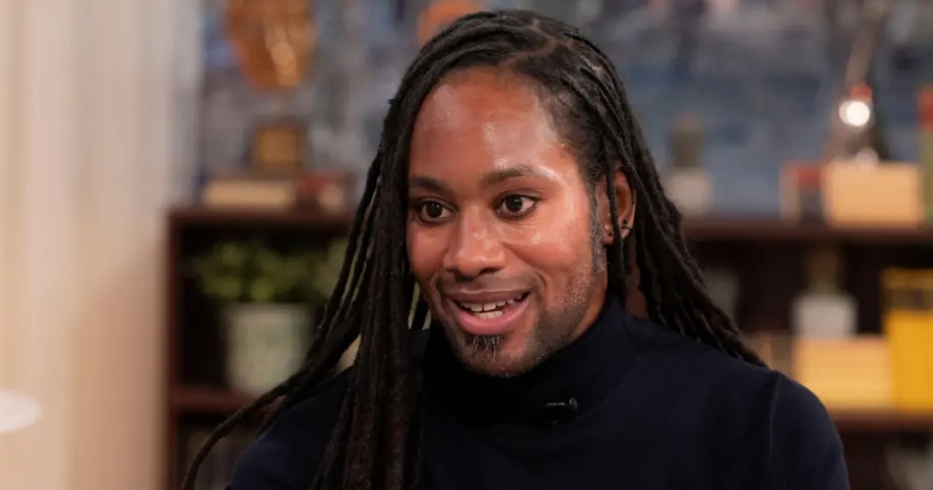
In an age of relentless social media judgement, due process, proportionality and compassion matter more than ever.
Social media has transformed legitimate criticism into something potentially relentless. An allegation can move within hours from a matter requiring careful investigation to thousands of strangers dissecting a person’s career, character, motives and worth. Nuance disappears. People become symbols in arguments they did not create.
In Jason’s case, race also became part of the debate. His appointment as Cambridge’s youngest Black professor had been celebrated as a significant moment. Some subsequently argued that racism influenced the intensity of the attacks upon him; others insisted that concerns about academic integrity were legitimate. Both questions deserve to be considered seriously. Neither requires the dehumanisation of the individual at the centre of them.
This matters far beyond academia.
I have spent much of my professional life thinking about leadership, recruitment and governance. When allegations are made about someone in a position of responsibility, organisations must investigate them. Boards cannot evade difficult questions because they fear the consequences.
But good governance is also about how we exercise accountability.
Due process matters. Proportionality matters. The distinction between allegation and established fact matters. And recognising that the person whose conduct is being scrutinised remains a human being matters enormously.
There is an uncomfortable tendency in modern public life to believe that once someone has been accused of wrongdoing, compassion somehow compromises our commitment to accountability. It does not.
We can insist upon high standards without cruelty. We can investigate allegations without humiliation. We can disagree without joining a pile-on. And we can remember that none of us truly knows what another person is carrying when they close the door at the end of the day.
Jason Arday was 41 years old.
Tonight, above everything else, there is a family and a group of friends grieving someone they loved.
They deserve our compassion, our restraint and our respect.
Contact Us
For an informal and confidential discussion about this article, or on any other subject, please contact our Founder & CEO, Philip Nelson, on 020 3590 9978 or via email at philip.nelson@thehiringdept.com.
Philip has over twenty years of experience in charity governance and executive search and currently serves as a Trustee of Coram Beanstalk and as the Policy Development Lead for Heritage & Tourism at The Green Party.