November 26, 2026
The Diana Award. A heartbreaking reminder that impact alone is not enough.
The news that The Diana Award has entered administration is heartbreaking.
Today’s announcement that The Diana Award has been placed into administration is profoundly sad. It should also serve as a sobering wake-up call for everyone involved in the leadership, governance and funding of Britain’s charities.
Established in 1999 in memory of Diana, Princess of Wales, the charity was founded on her extraordinary belief in the potential of young people to change the world. Over the past 27 years, it has recognised more than 50,000 young people, championing social action, humanitarian endeavour, social mobility and the next generation of leaders.
Just three weeks ago, the charity celebrated the achievements of 198 remarkable young people from 44 countries. Today, its own future hangs in the balance.
There is something particularly poignant about this announcement as we approach the 30th anniversary of Diana’s death. Few public figures in modern British history have inspired such extraordinary generosity or done so much to challenge established attitudes towards marginalised and disadvantaged communities.
Diana understood the power of compassion, the importance of human connection and the responsibility that accompanies privilege. The charity bearing her name sought to instil those same values in successive generations.
Yet even the extraordinary legacy of Diana, international recognition and the support of two royal princes have not been sufficient to guarantee its financial sustainability.
Reportedly, the charity’s income fell by 24% in 2024/25, with anticipated grant and sponsorship income falling short of expectations. Behind these figures lies a challenge increasingly familiar to charity leaders across the country.
Rising operating costs, intensifying competition for funding, changing philanthropic priorities and economic uncertainty are placing immense pressure on organisations, regardless of their heritage, reputation or demonstrable impact.
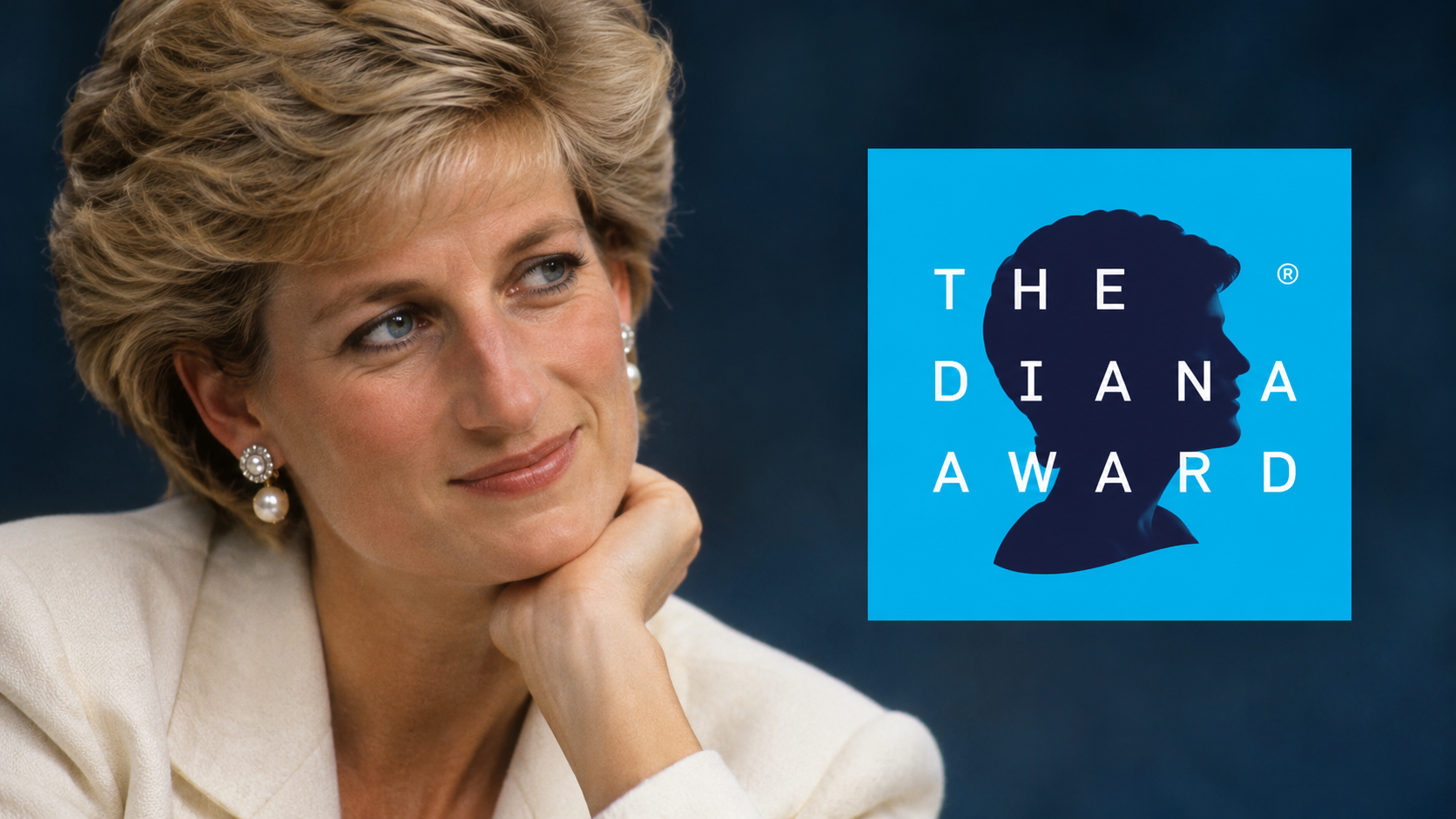
Even an extraordinary royal legacy, international recognition, and decades of demonstrable impact have proven insufficient to ensure financial sustainability.
For those of us working within the charity sector, this announcement should prompt some difficult questions.
Are we investing sufficiently in the long-term financial resilience of our charities? Are boards giving income diversification and organisational sustainability the strategic attention they deserve? Are funders providing organisations with the unrestricted, multi-year funding necessary to build genuinely sustainable operating models?
Too often, charities are expected to deliver transformational outcomes while surviving on precarious funding arrangements. We celebrate their impact but frequently fail to invest adequately in the organisational infrastructure that makes that impact possible.
Financial sustainability should never be regarded as secondary to charitable purpose. It is one of the fundamental conditions upon which the fulfilment of that purpose depends.
None of this should diminish the achievements of The Diana Award, its leadership, trustees, employees, volunteers or the extraordinary young people it has championed. Nor should we rush to apportion blame without understanding the circumstances that have led to today’s announcement.
But we should recognise the wider warning.
When a charity associated with one of the most celebrated humanitarian figures of our lifetime finds itself unable to meet its financial obligations, we must question the sustainability of the environment in which charities are being asked to operate.
Whatever happens next, Diana’s legacy will endure through the thousands of young people she inspired.
The greater tragedy would be if we failed to learn from what has happened.
Contact Us
For an informal and confidential discussion, please contact our Founder & CEO, Philip Nelson, on 020 3590 9978 or via email at philip.nelson@thehiringdept.com.
Philip has over twenty years of experience in charity governance and executive search and currently serves as a Trustee of Coram Beanstalk and as the Policy Development Lead for Heritage & Tourism at The Green Party.